Guides
House, Energy And Materials: What To Check First
A practical look at house decisions: energy, materials, renovation and resale. Check the building, the climate and the real use before any plan or quote.
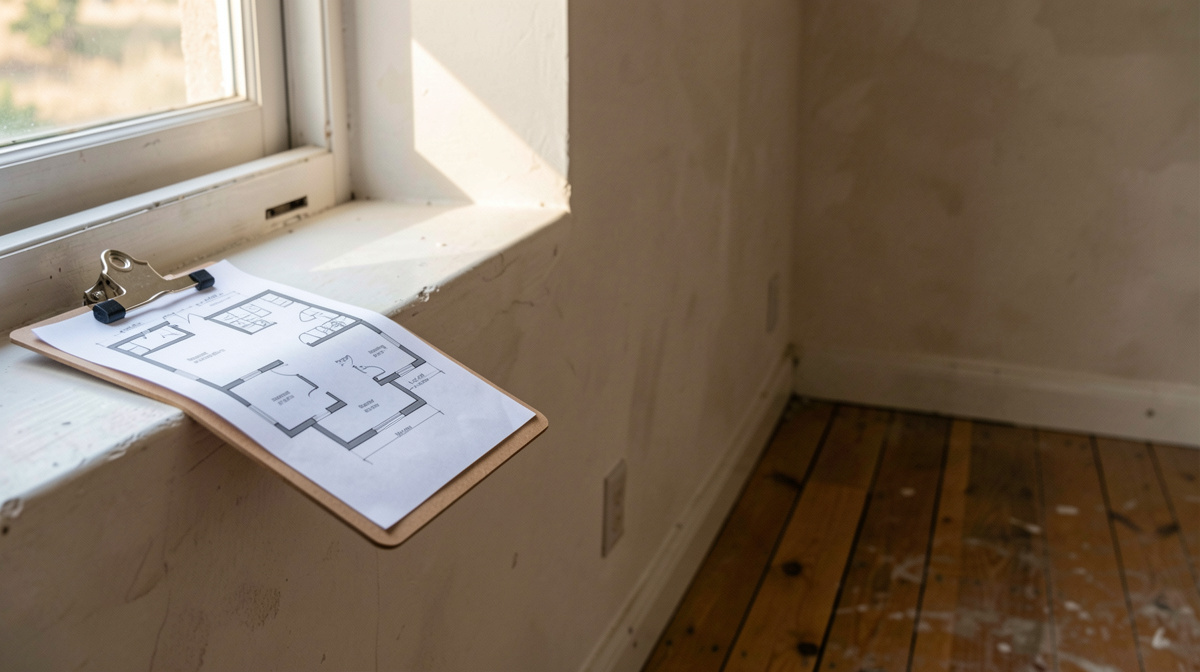
A house decision holds up when it starts from the building itself, not from a promise. Energy, materials and resale value all depend on the same base: the site, the climate, the way the rooms are used and the state of what is already there. Before a plan, a quote or a purchase, the useful move is to look at what the building actually asks for.
Why The Building Comes Before The Plan
A plan drawn on a blank page ignores what the walls, the roof and the ground already say. A house on a slope does not drain like a house on flat land. A south wall in a hot climate does not behave like a north wall in a cold one. The same window that brings free heat in January becomes a problem in July.
This is the logic behind a table of cuts that links architecture, renovation, energy, materials, decoration and sustainable real estate to decisions a reader can follow. A situated question beats a green promise. Each cut ties context, trade-off, evidence and the next check. The reader picks a clear family, from architecture to real estate by way of works and the home, and works from there.
That order matters for money. A quote for insulation is useless if the roof leaks. A new boiler is wasted if the walls are damp. A decoration budget is wasted if the floor moves. The building sets the sequence, and the sequence sets the cost.
What Should You Check Before Buying A House?
Start with water. Look at the roof from the inside, in the attic, after rain if possible. Stains, soft timber and a smell of damp point to work that will come before anything else. Then look at the ground floor and the basement for rising damp and cracks that run diagonally.
Then check the energy side. The age of the heating system, the type of glazing and the thickness of the loft insulation give a rough idea of the running cost. A recent energy report is a starting point, not a verdict. It measures a building in standard conditions, not the way a family actually lives in it.
Then check the plot. Drainage, tree roots near pipes, the slope of the land and the direction of the main windows decide how the house will feel in summer and in winter. A house that faces west in a hot region will need shade. A house under trees will need gutters cleaned more often.
Finally, check the paperwork. Boundaries, easements, extensions built without permission and shared walls all show up later, at the worst moment. A surveyor and a local land registry record answer most of these questions for a modest fee.
How Do Materials And Climate Shape A House?
Materials age at different speeds depending on the climate. Wood siding in a wet, mild region needs more care than the same wood under a dry sun. Render cracks where frost cycles repeat. Flat roofs hold water where leaves collect. Tile roofs last longer when the pitch and the underlay are right.
In a Mediterranean climate, the main job is to keep the summer sun out and let the winter sun in. That means shade on the south and west openings, light colours on the walls, and ventilation that works at night. Thick walls help, but only when they are dry and when the openings are managed.
In a cold climate, the priority flips. Air tightness, insulation without gaps and controlled ventilation matter more than shading. A well insulated house with a poor ventilation system will still grow mould. The two go together.
Interior finishes follow the same rule. A floor in a hallway takes more traffic than a floor in a bedroom. A paint in a bathroom faces steam. A kitchen worktop faces heat, water and knives. Choosing by use, maintenance and lifespan avoids a second purchase two years later.
What Does An Energy Upgrade Really Change?
The order of work decides the result. Insulate the roof and the walls before sizing a new heating system, or the system will be oversized and the bill will stay high. Seal the obvious draughts before adding mechanical ventilation, or the ventilation will pull cold air through every gap.
A few measures usually pay back faster than others: loft insulation, draught proofing, a well set thermostat and hot water cylinder insulation. Windows cost more and pay back more slowly, but they change comfort in a way occupants notice.
Heating systems are a long term choice. A gas boiler, a heat pump, a wood stove and underfloor heating each suit a different building. A heat pump works best in a well insulated, air tight house with large radiators or underfloor loops. In a leaky old house, it will struggle and cost more to run.
Solar panels and batteries change the numbers again. They suit a roof with the right orientation and a household that uses power in the day. They do not fix a poorly insulated building.
Where Renovation Budgets Usually Go Wrong
Most overruns come from work discovered after the start. Opening a wall reveals rot. Lifting a floor reveals a bad joist. Removing a chimney reveals a missing support. A survey reduces the surprise but never removes it.
A second source of overrun is a change of mind during the works. Moving a wall after the plaster is done costs far more than moving it on paper. Deciding the kitchen layout before the electrician arrives saves money and time.
The third is sequence. Trades that arrive in the wrong order redo each other's work. The usual order runs from structure and roof, to water and drainage, to electrics and heating, to insulation and airtightness, to plaster and floors, to finishes. Each step depends on the one before.
A written schedule with dates, payments tied to stages and a small contingency of ten to fifteen per cent covers most of these risks.
Does Decoration Affect Resale Value?
Decoration does not raise the structural value of a house, but it changes how fast it sells and at what price. Neutral walls, good light and clean floors let a buyer imagine living there. Strong personal choices narrow the audience.
Small repairs matter more than style. A dripping tap, a cracked tile and a sticking door read as neglect. A fresh coat of paint on the entrance and the main rooms costs little and shows well.
Energy performance now appears in listings in many countries, and buyers compare running costs. A house with clear records of insulation, heating and maintenance sells with fewer questions. A house without them invites renegotiation.
Decoration should follow the use of each room. A family with young children needs washable surfaces and hard floors. A retired couple may prefer warmth underfoot and low maintenance outside. The right choice depends on who will live there, not on a trend.
The Next Check
Every decision about a house rests on a small set of facts: the state of the building, the climate, the way the rooms are used and the money available. Gather those facts before a plan, a quote or a purchase. Then choose the work that answers the real question, in the right order, and check the result before moving to the next step.