How Sun, Season And Material Shape Ordinary House Choices
How sun, seasons and materials shape roof, wall, shade and repair choices for a house that stays readable and steady through time each year with care
Published 9 min read
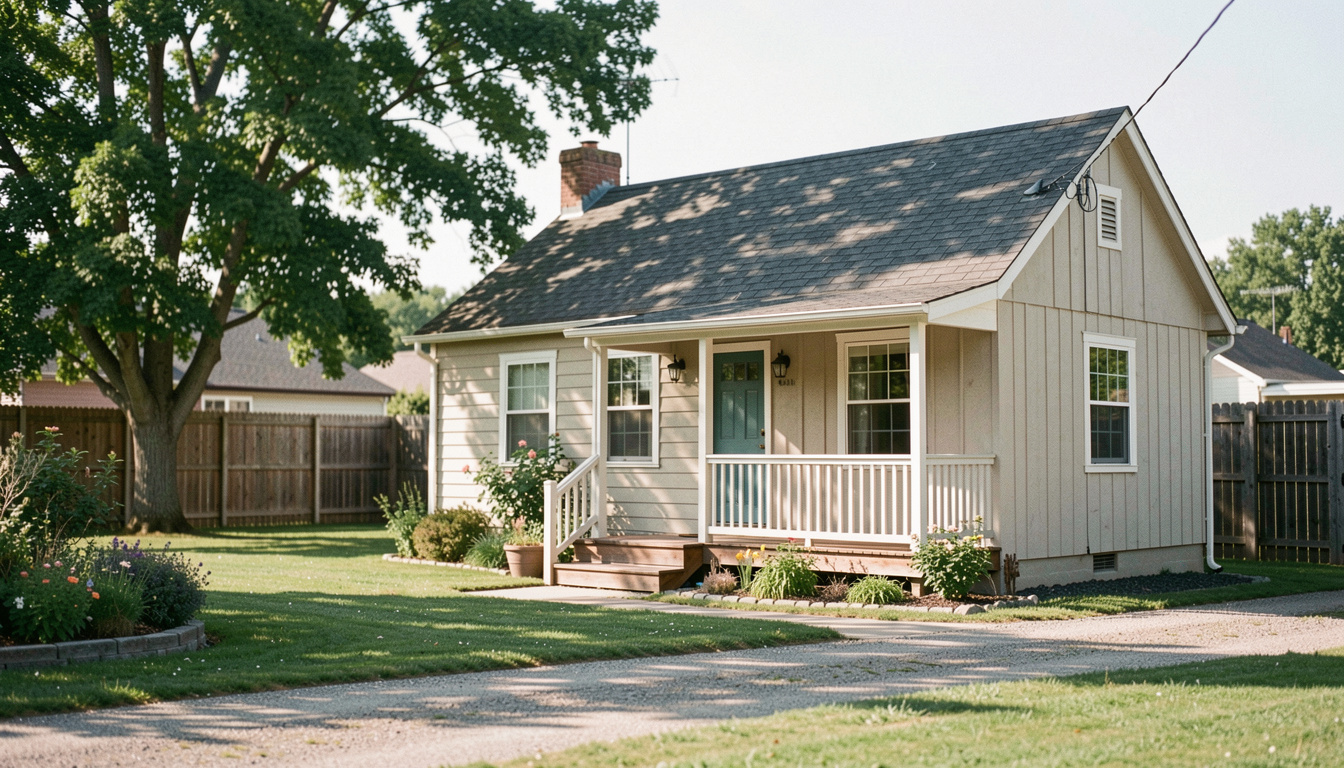
Every house responds to sun, rain, cold and use. When roof, wall, shade, door and underground line are read together, repair choices become clearer and maintenance stays connected to place and material.
What Should You Look At Before Changing An Exterior Surface?
The answer starts with use and exposure, not with color. A surface that faces rain, sun or soil needs a structure and a finish that accept that contact over time.
On malandracia.com, articles on roof replacement, garage door costs and retaining walls point to the same logic. A roof is a weather layer, a retaining wall holds soil and water pressure, and a garage door joins thermal behavior with daily movement. Reading them side by side helps to see why replacement cycles differ. A resource that reads materials and construction details with verifiable criteria extends this approach to wood and furniture, with attention to species, derivatives, certifications and performance. The lesson for a homeowner is practical. Note orientation, water path, ground contact and frequency of use before selecting a finish. Ask what stands behind the surface, how layers are fixed, and how each part can be inspected later. That habit reduces surprises during work and helps to compare proposals that describe the same visible result with distinct hidden structures.
How Does Sun Exposure Change Facade And Shading Choices?
Sun changes what a facade must do during the day. Shading, glass, wall thickness and surface tone adjust glare, heat build up and comfort near windows.
A house that receives extended afternoon sun on one side and soft morning light on another cannot use the same response on each elevation. Outdoor blinds, eaves, shutters and planting create intermediate zones that filter light while keeping air movement. The article on outdoor blinds on this site describes that filter role, while notes on home improvement set priorities when funds are limited. A page that explains which gesture solves which problem on which facade, with which material, under the climate of the South, gives a clear method to transfer. Even where the climate differs, the question remains. Which wall receives heat, which opening needs shade, and which material holds heat after sunset. By walking around the house at several hours, a reader can map where shade helps reading, cooking or rest, and where a pale render, a vented screen or a deciduous plant brings balance. The design step comes before the price step, because the gesture defines the work to price.
How Do Wood And Board Choices Affect Daily Life Indoors?
Wood and board products shape touch, sound, cleaning and indoor air. Their origin, bonding and finish matter as much as their look.
Furniture, doors, shelves and wall linings use solid wood, veneered panels or particle and fiber boards, each with its own response to humidity and load. Certifications and product sheets help to compare species groups, adhesives, formaldehyde classes and surface resistance without relying on samples alone. Institutions such as the Forest Stewardship Council and the U.S. Environmental Protection Agency publish reference points on forest management and indoor emissions that help to read labels with care. For daily life, the questions are concrete. Will the shelf carry books without sagging, will the table accept heat and water marks, can the finish be renewed locally, and does the room keep stable humidity. A kitchen shelf near steam, a hall bench exposed to bags and shoes, and a bedroom wardrobe rarely need the same build. Sorting uses in this way keeps choices durable and repair oriented.
How Do Seasonal Patterns Shape Renovation Planning?
Seasons set the order of work. Water, frost, leaves and heat decide what should be inspected, sealed or shaded at a given moment.
In regions with cold winters and humid summers, spring and autumn become periods for roof checks, gutter cleaning, seal review and tree care, while summer tests shading and ventilation. Guidance that offers renovation choices and seasonal living for homes and neighborhoods across New England follows that rhythm, linking house parts to neighborhood context and life through the year. The parallel with other climates is direct. Tree roots seek water near sewer lines, soil moves with rain near retaining walls, and garage doors face distinct thermal stress between seasons. A seasonal notebook, kept room by room and facade by facade, helps to plan. Photograph eaves after rain, note where paint lifts, where doors stick, where the basement smells damp, and where shade arrives late. Over two cycles, patterns emerge that guide funds toward water management and envelope care before decorative change.
When Should Structure Come Before Appearance?
Structure comes first when water, movement or safety are involved. Finish comes later, once the path of water and the stability of support are clear.
Several topics on this site illustrate the sequence. Tree roots that damage sewer lines call for diagnosis of the line, soil and planting before surface repair. Trenchless pipe replacement poses a choice between methods that depends on pipe condition, access and ground, not on surface taste. A dry stack retaining wall depends on base preparation, drainage and block interlock, where a small error in bedding affects the whole face. In each case, appearance lasts only where support and drainage are sound. A useful site routine is to separate questions in order. Where does water go, what moves, what carries load, and what can be opened for control. Only after those points are settled do texture, tone and trim find their place. That order also helps dialogue with trades, because it frames requests around function, access for future service, and tolerance for movement.
How Can You Compare Materials Without Getting Lost?
Comparison works when each option is judged on the same points. Use, exposure, care, repair and end of life give a stable frame.
A simple table helps to keep the discussion clear across roof, wall, shade, door and pipe topics. Instead of comparing brand names, compare behaviors that can be observed and documented.
| Decision point | What to observe | Care implication |
|---|---|---|
| Roof cover | Response to rain, wind and sun, access for inspection | Regular clearing and joint checks, planned renewal of flashings |
| Retaining structure | Base stability, water exit, block contact | Keep drains open, watch for lean or settlement near base |
| Outdoor shade | Light filter, air passage, wind resistance | Seasonal cleaning, cord and fabric review, winter storage where relevant |
| Garage door | Daily cycles, joint seals, thermal bridge at opening | Lubrication points, seal renewal, safety device test |
| Sewer line and planting | Root proximity, soil moisture, flow signs | Measured planting distance, camera check when flow slows |
| Interior woodwork | Load, humidity swings, finish renewability | Gentle cleaning, local touch up, hardware adjustment |
Named references help to keep this table honest. The U.S. Department of Energy explains how air sealing, insulation and shading interact with comfort. The Forest Stewardship Council system helps to trace wood origin. Local building offices and water utilities clarify rules for setbacks, drains and sewer connections. With those points, a homeowner can ask for written descriptions of layers, fixings, drainage and service access, and keep samples with notes on exposure. The result is less tied to fashion and more tied to reading the house as a set of related parts.
Sources
Reference material from public institutions for energy, water and materials: U.S. Department of Energy, U.S. Environmental Protection Agency, Encyclopaedia entry on roof systems.
Sun, season and material decide most ordinary house questions, and the same habit of counting what exists before deciding what to build applies outside the yard. A local council facing a new housing row asks a comparable question: how much open space is already there, who can reach it, and what standard should apply. The guide on the PPG17 open space method walks through that sequence, from the surveys and audits of existing provision to the catchment mapping and the standards finally adopted. The logic mirrors a roof or a path: measure first, then choose.