What Are the Best Outdoor Blinds for Your Home?
Best depends entirely on what you are blocking: sun, wind, rain, or the neighbours. The four families of outdoor blind each solve one of those well and at least one of them badly, and the number that decides your fabric is the openness factor.
Published 9 min read
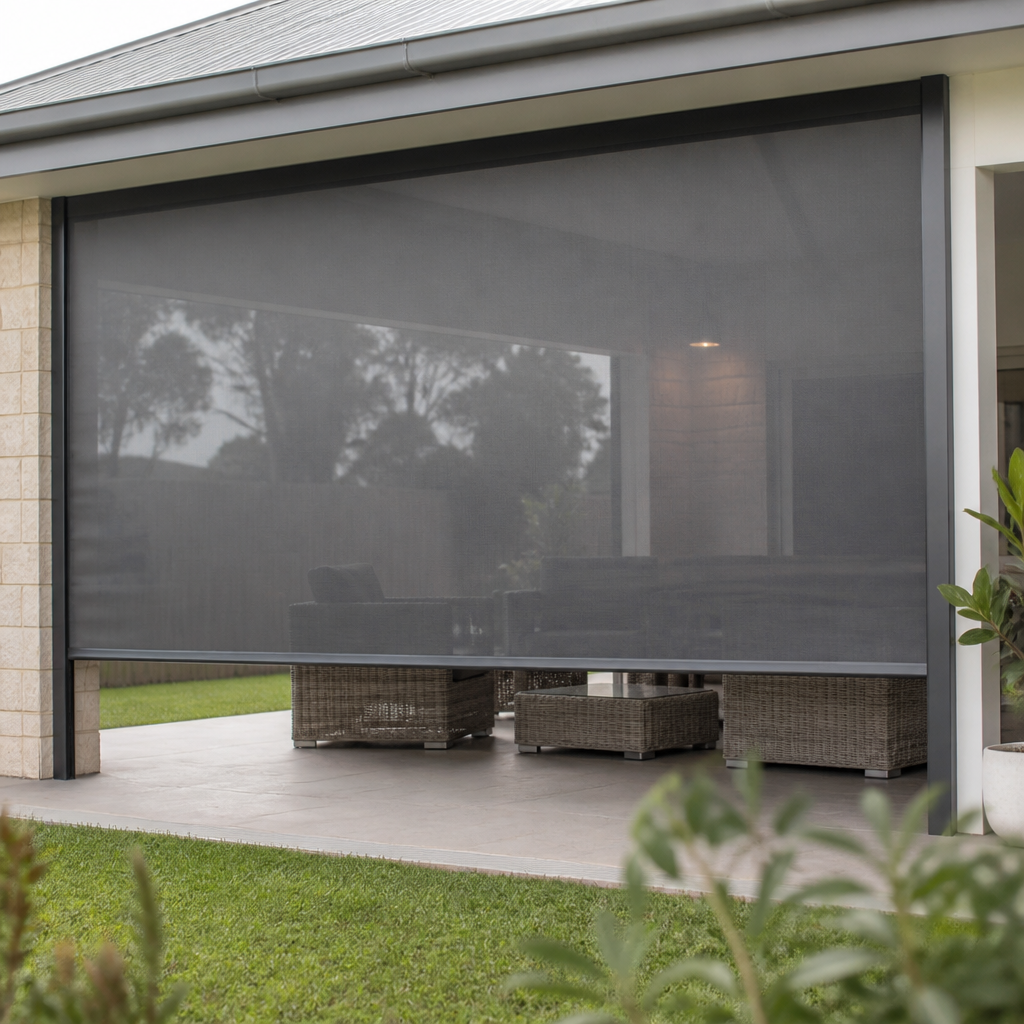
An outdoor blind is a piece of fabric under load. Wind pulls on it, sun degrades it, rain runs off it, and whatever it is screwed to takes all of that. Choosing well is mostly about being honest regarding which of those four forces you are actually fighting, because a product that excels against one is usually mediocre against the others.
The four families
- Roll-up mesh blinds
- An open weave fabric on a roller, usually held by a bottom bar. Good value, good airflow, good glare control. Without side guides the fabric edge flutters and eventually frays.
- Zip track blinds
- The same idea with the fabric edges captured inside vertical side channels. Far better in wind, far better at keeping insects out, more expensive, and much fussier to install square.
- Clear PVC cafe blinds
- Transparent sheet rather than mesh. Keeps rain and wind out entirely and keeps the view. Also keeps heat in, scratches with careless cleaning, and can cloud with age and UV.
- Slatted and bamboo roll-ups
- Timber, bamboo or PVC slats on cords. Cheap, pleasant looking, good shade. The least durable in weather and the least controllable in wind.
Retractable awnings sit next door to all four. They shade an area rather than close it, and they are governed by their own wind ratings, but they are worth comparing if your problem is midday sun rather than privacy or wind.
To shade a large bay window without closing it, the choice comes down to a screen blind, an adjustable louvre, a sliding shutter or deciduous planting. What sets them apart is what each lets through in light, view and air rather than cost. A guide to shading a large glass wall describes how each solution protects the glass while keeping it open.
Openness factor, the number that decides the fabric
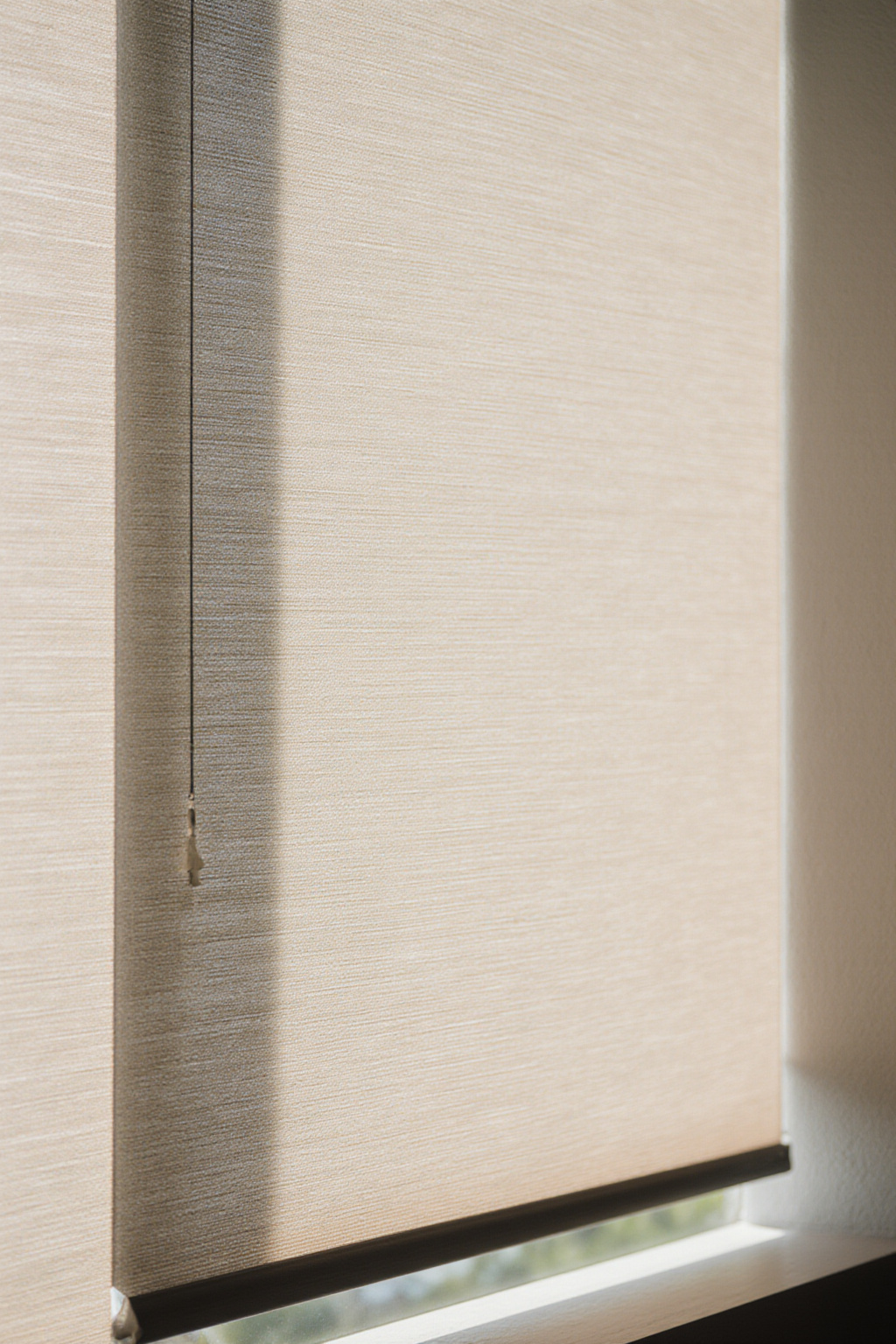
Mesh fabrics are sold with an openness factor: the percentage of the fabric area that is hole rather than yarn. It is the single most useful number on the specification sheet.
| Openness | View out | Glare and heat | Airflow | Daytime privacy |
|---|---|---|---|---|
| 1 to 3 percent | Limited | Strongest control | Low | Highest |
| 5 percent | Reasonable | Good control | Moderate | Good |
| 10 percent and above | Clearest | Least control | High | Lowest |
Fabric colour matters as much as openness, and it works in a way most people find counter-intuitive. A dark fabric absorbs light rather than scattering it, so it gives a crisper view out and better glare control. A light fabric reflects more solar energy away, so it keeps the space cooler, but it scatters light and can feel glary. Many patios end up with a dark mesh where people sit and look out, and a lighter one on the face that takes the afternoon sun.
Wind is the real selection criterion
Sun is predictable. Wind is what destroys outdoor blinds, and it does it in two ways: it tears the fabric edge, and it loads whatever the blind is fixed to.
- Captured edges win. Zip track systems hold the fabric on both sides, so the sheet stays flat instead of flapping. That is the whole reason they cost more.
- Bottom bars need restraint. A blind held only at the top and weighted at the bottom will lift and slam. Look for a locking bar, guide cables or channels.
- Ask for the manufacturer wind rating and treat it as an instruction, not a boast. Most warranties are void if the blind is left down above the rated wind speed.
- Roll them up when you leave. The most common failure is a blind left down through a storm nobody was home for.
Rain, heat and the clear PVC trap
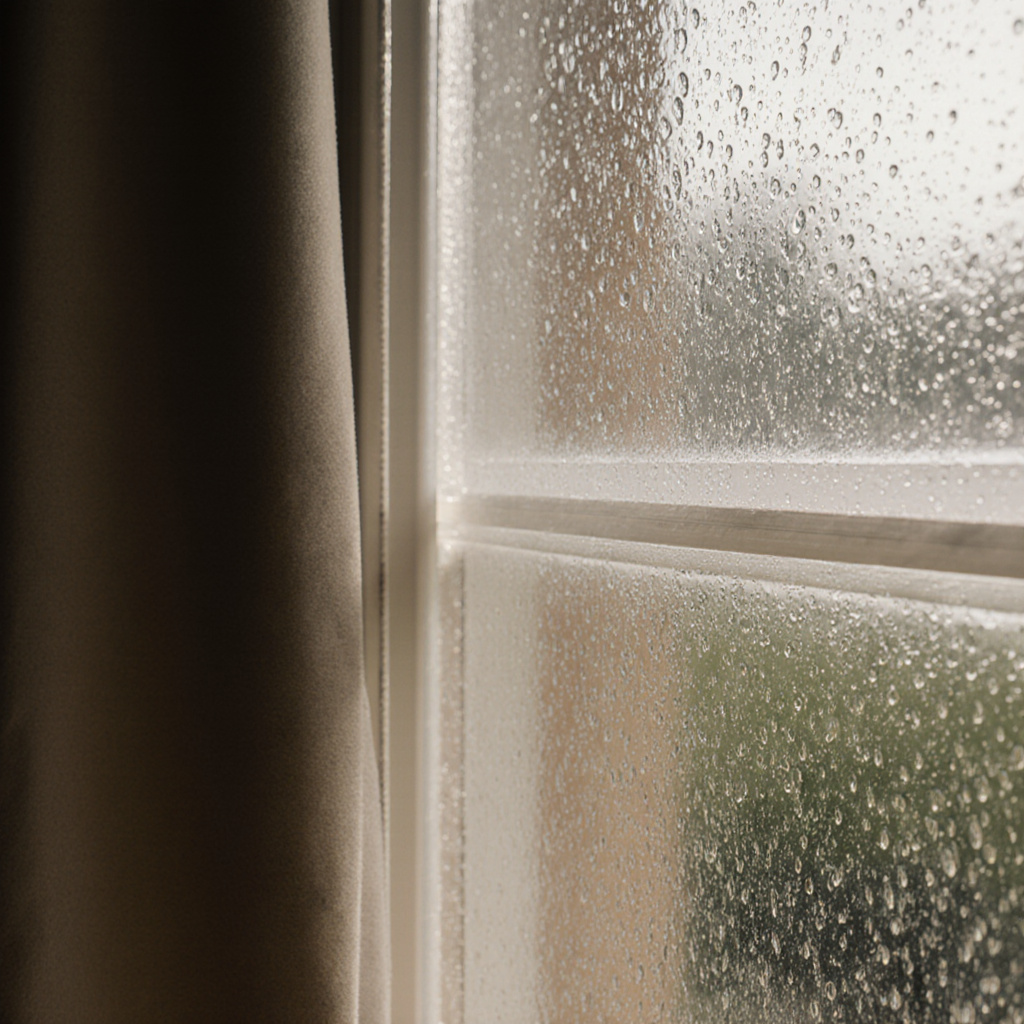
Mesh sheds a vertical shower and stops most wind-driven spray, but it is not waterproof and was never meant to be. If you want to sit outside during real rain, that means clear PVC or a solid panel.
Clear PVC brings its own problem. It closes the space completely, so on a sunny day the patio becomes a greenhouse. If you go that way, plan for at least one panel that opens, and clean the sheet only with water and a soft cloth, because grit plus a paper towel is how PVC gets its permanent scratch haze.
What the blind pulls on
A full width blind in a gust applies a real load to its fixings. Before ordering, look hard at what will hold it.
- Fix into structure, not into fascia boards, trim or a single course of render.
- On a timber pergola, check the post connections and the beam span as much as the beam itself.
- Use stainless or properly coated fasteners. An outdoor blind will outlive a plain steel screw by years.
- A hood or head box protects the rolled fabric from sun and rain and roughly doubles the life of the roller mechanism.
Crank, spring or motor
Spring assisted rollers are cheapest and fine on narrow openings. Crank operation is reliable and easy to service. Motors are the comfortable choice on wide or high blinds, and the honest question is power: a battery motor means recharging or replacing a pack on a schedule, while a hardwired motor means an electrician and a decision made before the patio is finished, not after.
Decide the power supply before the pergola is built. Retro-fitting a cable through a finished structure is the expensive way.
A blind choice also depends on what the site already holds. Before ordering fabric, check how the plot sits against nearby green space, footpaths and drainage, because a west-facing wall with a park behind it takes more afternoon sun and wind than an inner courtyard. The guide on surveying parks and catchments explains how a PPG17 open space assessment counted local provision, mapped catchments and set standards, and how the surveys, audits and mapping fit together. That context tells you whether a screen needs to block a view, cut glare or simply shed rain, which decides the fabric weight and the fixing depth. The one sequencing mistake that repeats on every patio
The privacy reversal after dark
A mesh that hides your patio during the day does the opposite at night. Once the inside is brighter than the outside, the view runs the other way. If evening privacy matters, that means either a very low openness fabric, a blockout panel, or accepting it and lighting the space at a low level rather than brightly.
A blind that blocks the afternoon sun also changes what the bed beneath it receives, and that matters when the season turns. The guide Tulip Bulbs: Plant in Fall, Read the Group covers when to plant tulip bulbs, how to read cultivar groups by flowering time and height, and how to keep a bed journal that survives the season. If you are already tracking shade, wind, and light on the house, the same habit transfers to the yard. Read it before you order bulbs, then note the planting date next to your blind measurements. For the full method, see planting tulip bulbs in fall.Choosing by problem
| Your problem | Strongest option | Why |
|---|---|---|
| Afternoon sun and glare | Mesh roll-up, low openness | Cuts light without closing the space |
| Exposed, windy site | Zip track | The fabric edge is held, so it cannot flap or tear |
| Using the patio in rain | Clear PVC | Only family that genuinely stops water |
| Insects | Zip track with a fine mesh | Sealed edges leave no gap at the sides |
| Looks, low budget, sheltered spot | Bamboo or slatted roll-up | Cheap and attractive where weather is mild |
Measuring, care and storage
- Measure the opening at three heights and three widths. Old patios are rarely square, and a zip track needs the channels plumb.
- Allow for the channels and the head box in the finished opening size, not on top of it.
- Hose the fabric down a few times a year. Dust holds moisture, and moisture is what grows mildew in the weave.
- Store roll-ups dry. Rolling a wet mesh and leaving it for a month is how a good fabric gets marked permanently.
If the blinds are going over a paved area, clean and re-sand the paving before installation rather than after. The reasons are in the paver cleaning guide, which explains why the joints are structural.
Blinds decide how a porch is used in July, but the same rail, mantel and stair railings carry the winter work, and the two jobs share their measurements. A guide on the site, sizing garland for a porch, covers how a fresh evergreen wreath is built on its ring, how noble fir differs from a mixed bundle, and how much garland a porch rail, a mantel or a staircase takes. Measure the rail before the brackets go up: the garland run and the blind width answer to the same span, and one number serves both.